(Includes a record of species from Afghanistan, Nepal, Tibet, Bhutan, Bangladesh, Sri Lanka, Myanmar and Pakistan)
Vegetation is an important—if not defining—component of terrestrial ecosystems, and trees are the dominant component of vegetation in forests and some grassy ecosystems. Trees are essential to ecosystem structure and functioning: they provide habitats for myriad species, form the base of many food chains, alter hydrology, and influence soil formation and retention. Trees also provide many goods and services to us, including carbon removal from the atmosphere, climate regulation, medicines, improved physical and mental health, reduced pollution, and recreational and cultural experiences (Turner-Skoff and Cavender 2019). In India, most ecosystems—with the exception of high-altitude regions, grasslands, and some deserts—support trees. As is the case with other plants, India has a large number of tree species that have been introduced from elsewhere in the modern era. In some cases, non-native tree species such as Senna spectabilis have created problems for native flora and fauna, or have compromised ecosystem functioning perceptibly.
Trees are not an evolutionary innovation restricted to some clades—they are found across the phylogeny of angiosperms and gymnosperms. In fact, a few tree genera such as Croton also have herbs, which suggests that the tree habit is flexibly acquired or lost (Groover 2005). A defining feature of trees, the elongated stem that holds leaves above the ground, is a consequence of competition for light: taller plants shade shorter plants. However, there are costs to investing in height, including greater stem maintenance, increased risk of stem breakage, increased risk of water supply failure to the canopy, and delayed reproduction (Falster and Westoby 2003). Trees are therefore perennial, which helps recoup the costs of investing in height. No universally accepted definition of trees exists beyond these basic features, and this website takes a broad view. In these pages the reader will find species that aren’t considered trees in the strictest sense: palms, screw pines, yuccas, and many large shrubs.
For each tree species, the website provides scientific and vernacular names, herbarium specimen scans and field photographs, morphological descriptions, and information on the habitat, geographical distribution, and threat status of the species. The website is continually updated to reflect changes in the literature, add images, and correct any inadvertent errors. It is hoped that “India Trees and Vegetation Types” will serve as an invaluable digital resource for anyone seeking comprehensive and scientifically rigorous information about the subcontinent's trees.
Falster DS, Westoby M (2003) Plant height and evolutionary games. Trends Ecol Evol 18:337–343. https://doi.org/10.1016/S0169-5347(03)00061-2
Groover AT (2005) What genes make a tree a tree? Trends Plant Sci 10:210–214. https://doi.org/10.1016/j.tplants.2005.03.001
Turner-Skoff JB, Cavender N (2019) The benefits of trees for livable and sustainable communities. Plants People Planet 1:323–335. https://doi.org/10.1002/ppp3.39
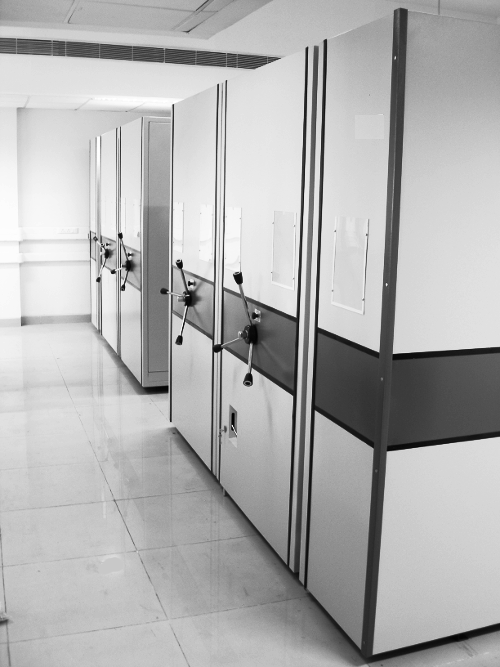
The Center for Ecological Sciences (CES), Indian Institute of Science houses a herbarium of a fairly large number of specimens of native and naturalized plants collected by many taxonomists and researchers. This herbarium is recognized internationally by the acronym ‘JCB’. The collection consists of more than 20,000 specimens, from vascular plants to lichens. The duplicates of the authenticated specimens have been deposited with herbaria of the Royal Botanic Gardens at KEW, UK and the Smithsonian Institution, Washington DC, USA. It is richest with plants from the state of Karnataka and the Western Ghats. Recent efforts have added further collection from other states in the country. This herbarium probably is the only holding of plant specimens collected from all over India other than the Central National Herbarium (CAL).
One important research activity in the herbarium has been to generate and organize vast amounts of information on the floral wealth of different regions of the country and then package it to suit the requirements of online information systems.
Further to launching the Digital flora of Karnataka, Digital flora of Eastern Ghats, Flora of Peninsular India and India Flora Online databases, the herbarium team has embarked on developing an online information system for the tree diversity in the country.
K. Sankara Rao,
Herbarium JCB,
Centre for Ecological Sciences (CES),
Indian Institute of Science (IISc),
Bangalore - 560012.
Phone: +91 80 22932506;
+91 80 23600985
E-mail: herbarium.ces@iisc.ac.in;
shankarrao@iisc.ac.in
How to upload contributions:
Share field images via links (Google Drive, One Drive or others)
shankarrao@iisc.ac.in